

 All Articles
Most people think of “listening” as a leadership skill. Leaders need to listen to their people. Yes, it is a leadership skill. And it is also an execution necessity. Many priorities and projects go wrong and cause rework and waste because somebody did not listen well enough. Somebody thought they understood the project well and started running with it when they only had 50% of the story. Here are the pitfalls you fall into when you don’t slow down to make sure you have listened and understood the issues well before you start your projects: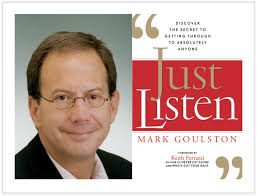
- Lack of clarity on what it takes to be successful with your team
- Your team feeling unimportant, less engaged, and less interested in making things happen to make your project successful
- Not allocating the resources that you need: You may get surprised later by a “new request” on the project that requires resources you do not have.
- Solving the wrong problem: You realize later that a different problem needs to be solved. “Why didn’t you tell me earlier? Now I have to start all over again!” Unfortunately, you might also get this reply “I did… but you did not really understand what I said.”
So, slow down a little and do some Execution Planning. Get into a Plan Rhythm. Here are some tips that may help you listen a little better and avoid those pitfalls I mentioned above:
- Be curious. Don’t think about what you are going to say next. Instead, practice active listening. Expect to learn something.
- Repeat back. Repeat back what you thought you heard and ask the team if you heard correctly. Allow the other party to correct your understanding if you did not get it right.
- Take notes. Some people listen better when they write. If this applies to you, take notes to help yourself listen.
Those three tips should help you listen better to develop stronger and successful execution plans with your team. For more learning on listening, read Dr. Mark Goulston’s book Just Listen. He has wonderful insights to help you listen better. Then, you can plan better and execute stronger as well.


Patrick Thean
Patrick is an award-winning serial entrepreneur, a WSJ and USA Today bestselling author, CEO Coach, and Co-founder of Rhythm Systems.
 Connect with me on LinkedIn.