

 All Articles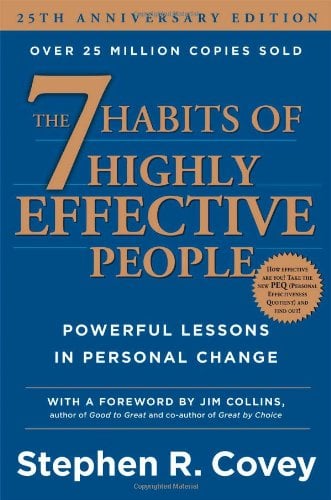
Key Takeaways
- You need a clear understanding of the results you want your team to achieve before you can make sure the right people in the right seats are executing toward the right results.
- Imagine if every employee knew the 2-3 things they were hired to deliver and had a leading indicator to check whether they are on track; that clarity is a gift to engaged employees, a road map to their success.
- Start by asking each person what result you are looking for from them and how they plan to get there; you may be unpleasantly surprised how many can't answer, so work through it together.
- A daily huddle keeps everyone on track and aligned, surfaces overlaps where people are overstepping each other and causing rework, and can help you regain control of a large project that is spinning out of control.
- In the huddle, each person reports victories from the day before, shares their #1 priority for the day, shares any KPIs that will help the project move faster, and flags if they are stuck; think synchronize, not problem solve, and keep it short.
Stephen Covey says "Begin With the End in Mind." Covey, author of 7 Habit of Highly Effective People, is the authority on priorities. You need to have a clear understanding of the results that you want your team to achieve. Their "End in mind". Then you can make sure that your people in the right seats can run and execute towards the right results! I suggest using Verne Harnish's people tool to lay out each person is in the right seat focused on the right results. The first column is the role of the person, edit this to make it work for you. The second column is for each person in their roles. Then, jump to column four and think of it as the results section. Then return to column three for the leading indicator that tells you if they are on track. You want to know if the person is on track so that you can help and coach the right course corrections to help the person achieve the right results.
This tool is like a present for the employees - it gives them a road map to their success. I mean imagine if everyone knew what were the 2-3 things they were hired to deliver (Column 4) and how to check themselves if they are on track (Column 3)? That would be a gift to employees who are engaged and who want to succeed. The best way to start is to make sure your people know what the result you are looking for is and how do they plan to get there. You may be unpleasantly surprised to see that not everyone can answer these questions. So use this tool to help them. Do it together with them.
Now that they understand what their priorities are - the next step is to keep everyone on track. I highly suggest using a daily huddle. In the old days at my first company, Metasys, we had large software projects to deliver to Fortune 500 clients. I used this when these projects got out of hand and we had difficulty driving everyone on the right things everyday. I needed to get every project team aligned so I could be sure everyone was on the same page. At times, people are overstepping each other on tasks and causing work to be redone. Make sure your daily huddle is short, sharp and keep everyone interested. Daily huddles are a must with your company leaders, but can also be used with a small group that may be working on a project. If you have a large projects that is spinning out of control and need focus - the daily huddle can bring things to the surface and help you regain control immediately. Use this time for each person to report on:
- Victories from the day before (everyone does their victory first)
- Share your #1 priority for the day (same pattern, each person shares)
- Share any KPIs that will help the project move faster (not necessary, only when it will help)
- Is anyone stuck? (optional for those who need help)
Don't try and solve complex issues or problems in your daily huddles. Think Synchronize. Don't think problem solve. If a "stuck" needs some extra time or effort from one or two people from the huddle - have them meet offline. Feel free to invite anyone to solve the stuck that may want to assist or may learn from the extra time after huddle. Don't allow your huddle to run long. Your team may have other meetings or work scheduled right after this huddle. If you do not honor their time and run long, you might lose their attention - even though they may be there physically. Keep it short. Keep people interested.
Frequently Asked Questions
How do you stop team members from duplicating work?
Get everyone aligned on results and talking daily. Make sure each person knows the specific results they are expected to deliver and how they plan to get there, then run a short daily huddle so overlaps surface immediately. When people overstep each other on tasks, work gets redone; a daily huddle brings that to the surface before it becomes waste.
What is a daily huddle?
A short, sharp daily meeting that keeps everyone on the same page. It is a must with your company leaders, but it also works for a small group working on a project. If a large project is spinning out of control and needs focus, the daily huddle can bring issues to the surface and help you regain control immediately.
What should each person share in a daily huddle?
Each person reports on victories from the day before (everyone shares their victory first), then their #1 priority for the day, then any KPIs that will help the project move faster (only when it helps), and finally whether they are stuck and need help. The same pattern repeats around the group, which keeps the huddle quick and predictable.
Should you solve problems during the daily huddle?
No. Think synchronize, don't think problem solve. If a stuck needs extra time or effort, have the one or two relevant people meet offline after the huddle, and feel free to invite anyone who wants to assist or learn. Complex issues belong outside the huddle.
How long should a daily huddle be?
Keep it short, sharp, and interesting. Your team may have other meetings or work scheduled right after, and if you do not honor their time and run long, you might lose their attention even though they are there physically.
How do you make sure employees know their priorities?
Ask them directly what results they are working toward and how they plan to get there; not everyone will be able to answer. Then define, together with each person, the 2-3 things they were hired to deliver and a leading indicator that shows whether they are on track, so you can coach the right course corrections early instead of discovering a miss at the end.

Patrick Thean
Patrick is an award-winning serial entrepreneur, a WSJ and USA Today bestselling author, CEO Coach, and Co-founder of Rhythm Systems.
 Connect with me on LinkedIn.