

 All Articles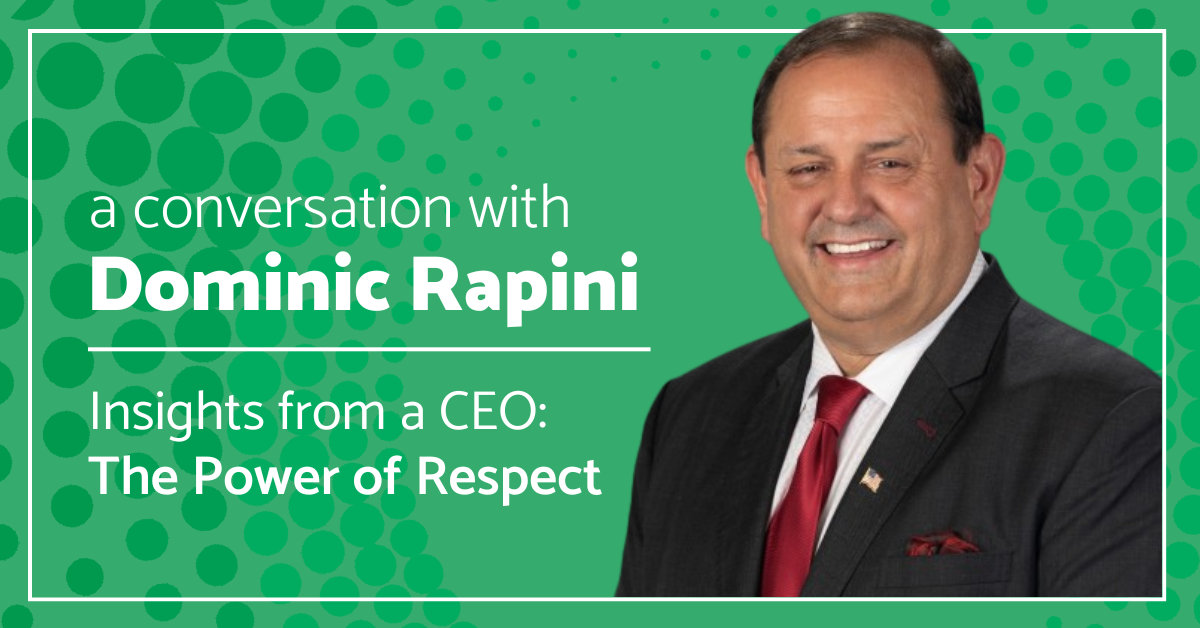
Key Takeaways
- Snapping back at someone who disrespects you may feel satisfying in the heat of the moment, but it usually ends with you feeling disappointed in yourself, because your negative emotions rather than your values took the wheel.
- Reacting rudely makes you a victim of the situation; choosing ownership means privately acknowledging your values and responding calmly even when you feel offended or hurt.
- Leaning in with curiosity instead of anger can reveal that you misinterpreted the other person's intentions, and it can improve the relationship instead of torpedoing it.
- Modeling respect in every interaction, especially in tense moments, earns lasting credibility; employees, customers, and even competitors notice and are inspired to reciprocate.
- Three action steps for leaders: pause before reacting so your values guide your response, respond with professionalism to build rather than break relationships, and reflect on difficult encounters for new perspectives and growth.
What does respect look like in leadership? How do you cultivate it in your business, even and especially when you feel disrespected by others?
Insights From a CEO: The Power of Respect
On Episode 30 of the “Journey to CEO Success Podcast,” Dominic Rapini - whose career spans education, technology sales at Apple, and leadership as CEO of Queralt Solutions - shared one core principle:
“Respect your competitors, respect your team, and respect your customers … people will always treat you with credibility.”
Respect, Dominic says, has powered both his career happiness and business results.
The Leadership Challenge: Responding to Disrespect
Dominic’s advice made me reflect on a conversation I had not long ago. The other person involved treated me in a way that I considered disrespectful. They probably did not intend this or even realize the impact, but I felt it.
At that moment, when I was already taken aback by this person’s behavior, I had to make an intentional decision. Should I react angrily, showing them the same lack of respect they had shown to me? Maybe if I gave them the same attitude, they would realize they had been a jerk and clean up their act!
Here’s the truth: Snapping back at somebody may feel good temporarily, but it usually ends with me feeling disappointed in myself.
If I responded rudely, I would be a victim of the situation. I would frame my snarky reaction as the other person’s fault. I would let my negative emotions, rather than my values, take the wheel. While it might feel satisfying in the heat of the moment, it would not be a reflection of who I truly am.
Choosing Ownership Over Victimhood
Instead, I decided to own the situation. Even though I was offended, even hurt, by the other person, I privately acknowledged the importance of sticking to my values. I believe in treating others with respect.
I responded calmly and did my best to move the conversation into a productive direction. I rose above my initial instinct to lash out. I ended up learning more about the intentions of the other person, and how I had misinterpreted his actions in the heat of the moment.
Looking back on this conversation now, I feel proud of myself for living my values. I was able to lean in with curiosity, and improved our relationship instead of torpedoing it.
Thank you, Dominic, for reminding me how essential it is to practice respect!
The ROI of Leading With Respect
Modeling respect in every interaction, especially in tense moments, earns lasting credibility. Employees, customers, and even competitors notice and are inspired to reciprocate. This approach not only strengthens relationships - it directly influences business outcomes by creating an environment of trust and high performance.
“We may not control how others act, but we always choose our response. Leading with respect signals strength, maturity, and commitment to a values-driven culture.”
Action Steps for Leaders
- Pause before reacting: Ensure your values guide your response.
- Respond with professionalism: Use challenging moments as opportunities to build, not break, relationships.
- Reflect and learn: Even difficult encounters can offer new perspectives and growth.
Frequently Asked Questions
How should a leader respond when they feel disrespected?
Pause before reacting so your values, not your emotions, guide your response. Respond calmly and professionally, and do your best to move the conversation in a productive direction. You may learn more about the other person's intentions and discover you misinterpreted their actions in the heat of the moment.
Why is reacting angrily to disrespect a mistake?
Snapping back may feel good temporarily, but it usually ends with you feeling disappointed in yourself. It makes you a victim of the situation, frames your reaction as the other person's fault, and lets negative emotions rather than your values take the wheel. It will not be a reflection of who you truly are.
What is the business value of leading with respect?
Modeling respect in every interaction, especially in tense moments, earns lasting credibility. Employees, customers, and even competitors notice and are inspired to reciprocate. That strengthens relationships and directly influences business outcomes by creating an environment of trust and high performance.
What does choosing ownership over victimhood mean for a leader?
It means owning your response instead of blaming it on the other person's behavior. Even when you are offended, you stick to your values, respond calmly, and steer the conversation somewhere productive. You may not control how others act, but you always choose your response, and leading with respect signals strength, maturity, and commitment to a values-driven culture.

Patrick Thean
Patrick is an award-winning serial entrepreneur, a WSJ and USA Today bestselling author, CEO Coach, and Co-founder of Rhythm Systems.
 Connect with me on LinkedIn.