

 All Articles
What Is a High-Performance Culture?
Creating and maintaining a high-performance culture is the goal of many mid-market CEOs who work with Rhythm Systems. Our business operating framework gives your company all the habits, tools, software, and coaching you need to create a high-performance culture with increased efficiency and accountability.
A high-performance culture is one in which employees are engaged, committed to their work, and motivated to achieve results. When combined with a clear vision and mission, effective leadership, and team alignment, a high-performance culture can drive measurable outcomes that help your organization succeed.
Characteristics of High-Performance Cultures
-
Clear Vision and Mission: At the core of a high-performance culture is a clear and shared understanding of the organization's purpose, values, and goals.
-
Effective Leadership: A high-performance culture requires effective leadership that sets the tone for the entire organization. Leaders must be inspiring and motivating while holding employees accountable for their performance.
-
Team Alignment: High-performance cultures require teams to work together towards a common goal in an environment of mutual respect and trust. Leaders must ensure that team members understand their responsibilities and roles within the organization.
-
Increased Collaboration: A high-performance culture encourages collaboration among different departments, job functions, and levels of seniority to achieve success.
-
Accelerated Innovation: High-performance cultures foster innovation by creating an environment where ideas are welcomed and encouraged, mistakes are seen as learning opportunities, risks can be taken without fear of retribution, and rewards are given for successful outcomes.
-
Employee Empowerment: Employees should feel empowered to make decisions within their areas of responsibility, collaborate with colleagues from other departments, contribute new ideas, suggest solutions to problems or issues they encounter at work, and take ownership of their work.
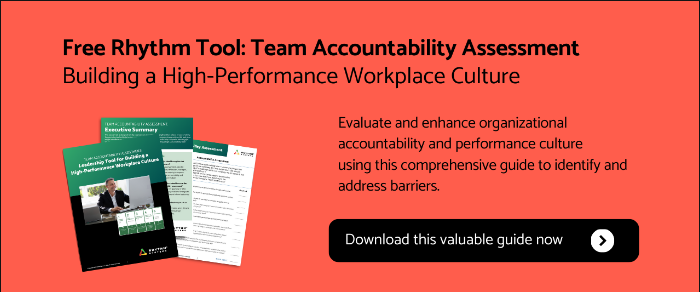
Benefits of a High-Performance Culture
-
Improved Quality of Work: A high-performance culture emphasizes quality, leading to improved work outcomes and customer satisfaction. This is achieved by focusing on excellence, encouraging employees to take pride in their work, and striving for the best possible results. Quality is seen as a critical indicator of success.
-
Lower Turnover Rates: A high-performance culture helps retain employees by providing a supportive work environment and opportunities for growth and development. Employee turnover can be costly and disruptive to a business. A high-performance culture is essential in reducing turnover rates and providing a supportive working environment and opportunities for growth and development.
-
Higher Job Satisfaction: A high-performance culture provides employees with challenging and rewarding work, leading to higher job satisfaction, lower training costs, and improved employee engagement.
-
Increased Revenue and Profits: A high-performance culture helps the organization achieve better business outcomes, increasing revenue and profits. High-performance cultures have planning at their core, so income and profit follow when the team is always working on the right things.
-
Improved customer satisfaction: A high-performance culture focuses strongly on customer needs, leading to improved customer satisfaction. Removing the drama from your culture lets your team focus on its customers.
These are just some of the benefits of a high-performance culture at work, and there are many more. A strong performance culture can lead to a better work environment, improved business outcomes, and stronger relationships with customers and employees.
An organization operating at peak performance is more than just a successful business. It requires implementing strategies and policies that increase employee morale, collaboration, and creativity. With the right tools, you can foster an environment where everyone contributes to maximum success. So, regardless of whether you are just starting or have been in business for years, take some time to look at your organizational peak performance and strive continually to reach it.

Ted Skinner
Ted Skinner is VP of Marketing at Fullintel and a former Strategy Consultant at Rhythm Systems. He brings deep expertise in data-driven marketing, AI, and strategic growth.
 Connect with me on LinkedIn.